PARADISE
Anthracite Heritage Museum, Scranton, PA
June 2026 - January 2027
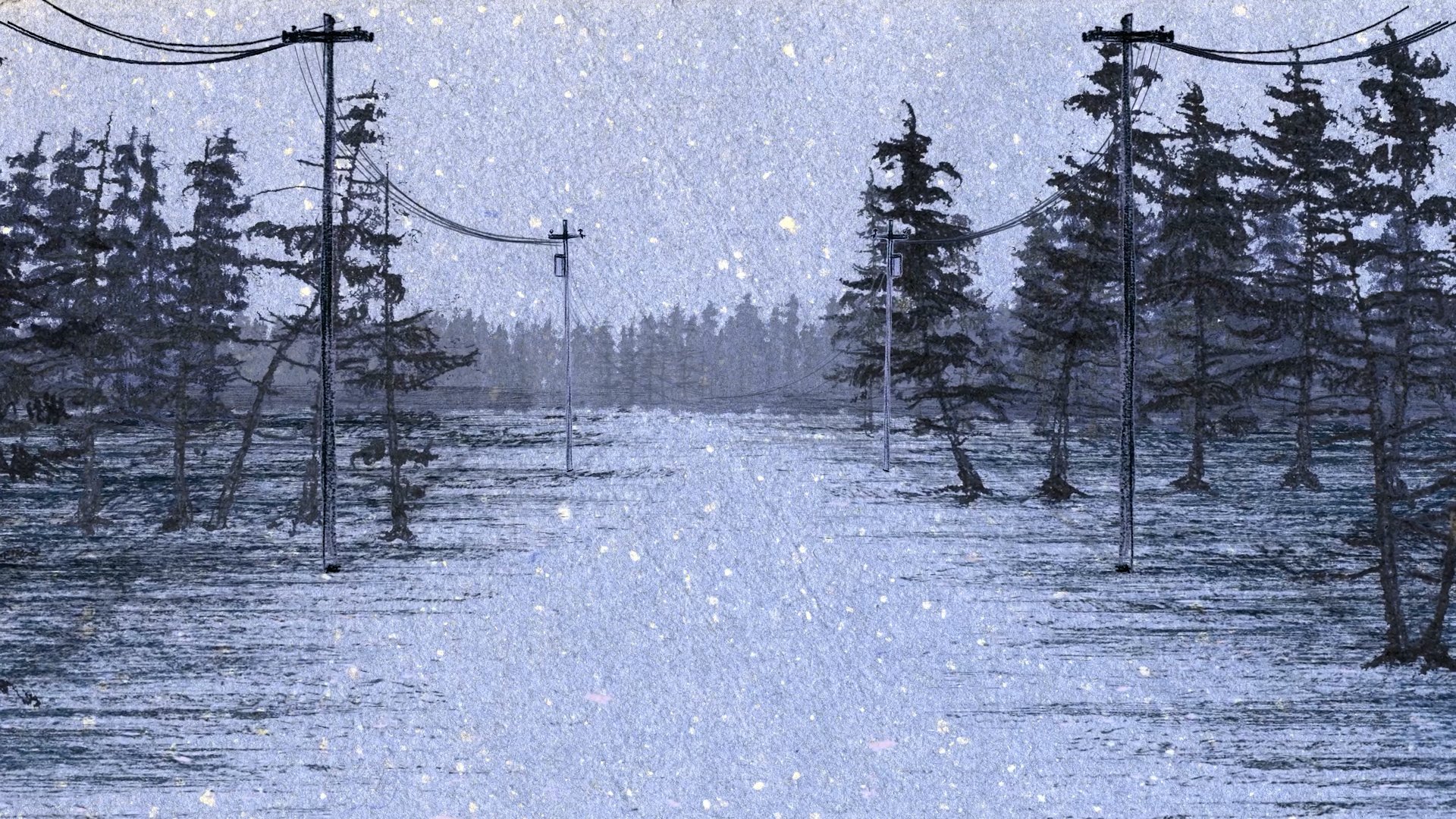
United Mine Workers of America Part III, BLAIR ZIMMERMAN, Keyframe Animation, 1080p, 12:46, 2026
PARADISE
This is a human story.
At Cumberland Mine, in Waynesburg, Pennsylvania, 500 union miners labor three shifts per day, seven days a week. They are digging right now. The pitmen have repeatedly faced the imminent closure of Cumberland. In 2020, mine operator Contura Energy nearly ceased operations before selling to Iron Senergy. In 2024, a methane leak almost shuttered Cumberland once again. And in 2025, the United Mine Workers of America and ownership held fraught negotiations before coming to an eleventh-hour agreement. Currently, Cumberland has enough coal contracts to remain open for the next two years. After that, the miners will confront an uncertain, tenuous fate.
Coal miners will tell you that in Appalachia there is little else besides coal. Mining and its ancillary jobs support everyone and everything. The diggers describe hard work, community pride, nostalgia, and palpable fear of what the future will bring. But coal mining is all they have. Too often, we outsiders talk about coal as an abstraction—a concept debated in terms of energy policy, environmental protection, and international relations. What about the people of Waynesburg?
Cumberland Mine will close someday. The last few coal-fired power plants will convert to natural gas. Nuclear power or renewable energy will replace bituminous coal. Environmental protection will make coal too expensive or too difficult to mine. Or the coal seam will simply run out. What about the miners? Today, they are praying for a miracle—an investment, an innovation, or some other unforeseen alternative means of employment. Like everyone else, miners want to feed their families, keep the lights on, and preserve a sense of dignity. In short, what the people of Waynesburg want most is hope.
This exhibition is supported by a grant from the lackawanna county arts & Culture department.
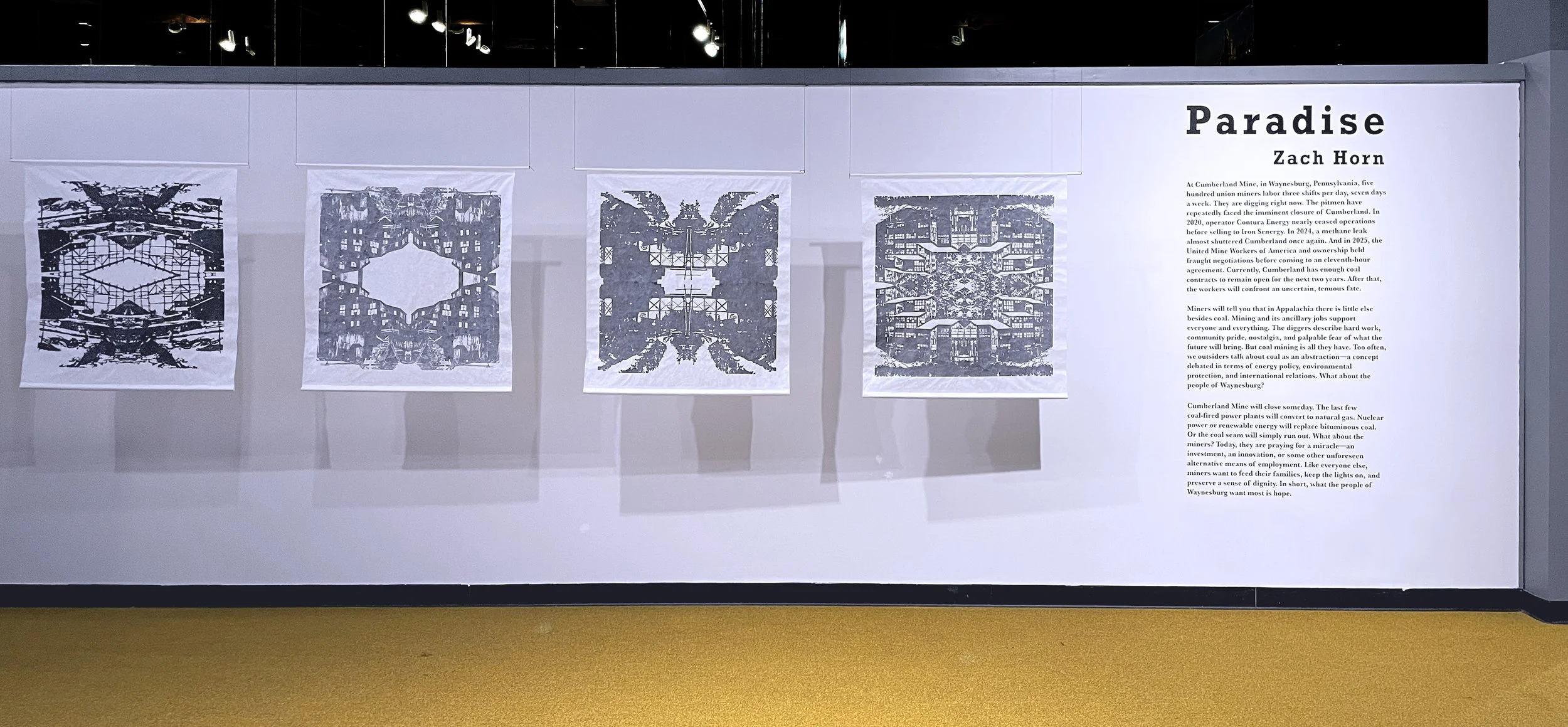
Lasercut Mulberry Paper
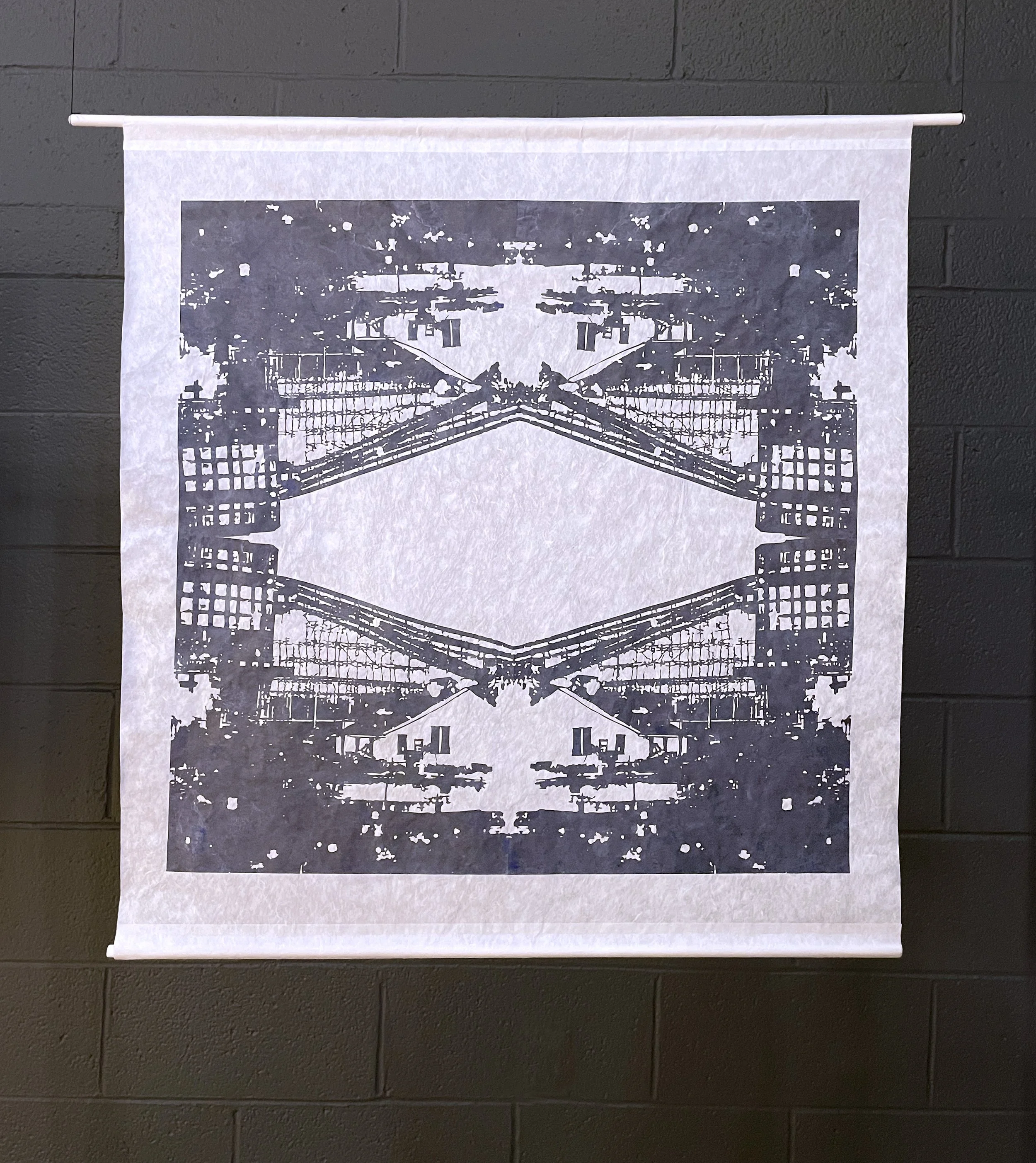
Lasercut Mulberry Paper
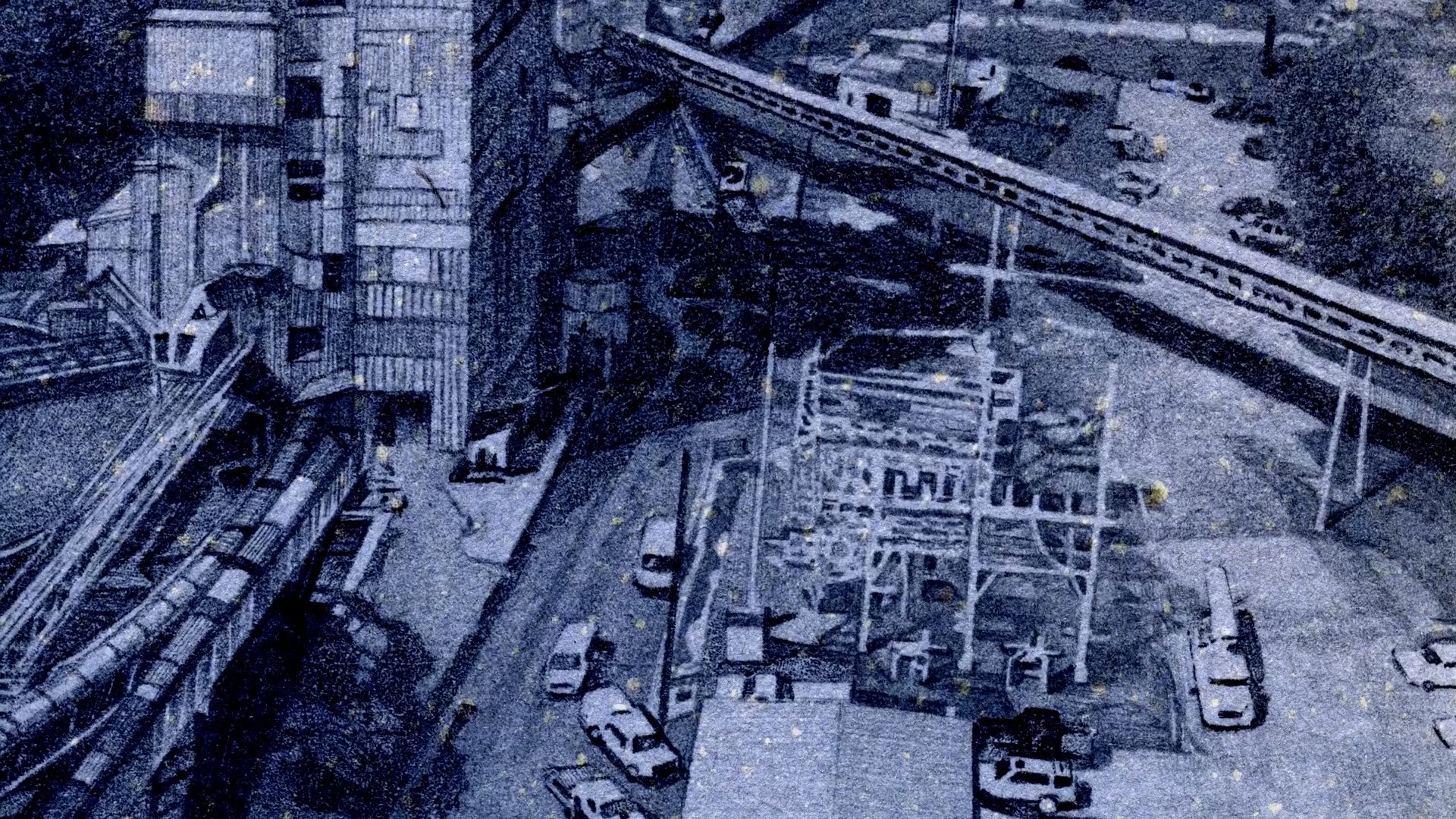
United Mine Workers of America Part II, Danny Cumpston, Keyframe Animation, 1080p, 12:15, 2026
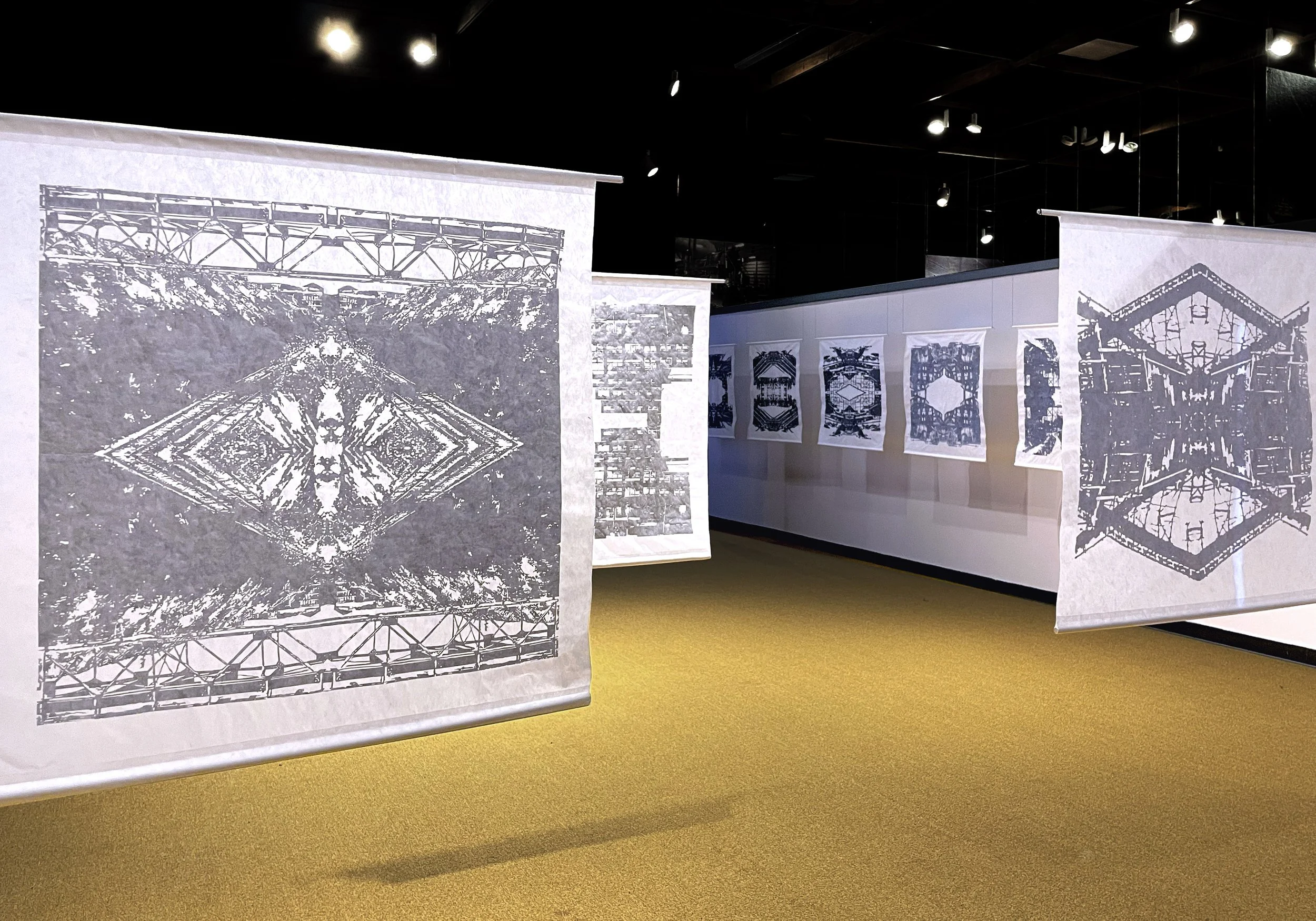
Lasercut Mulberry Paper
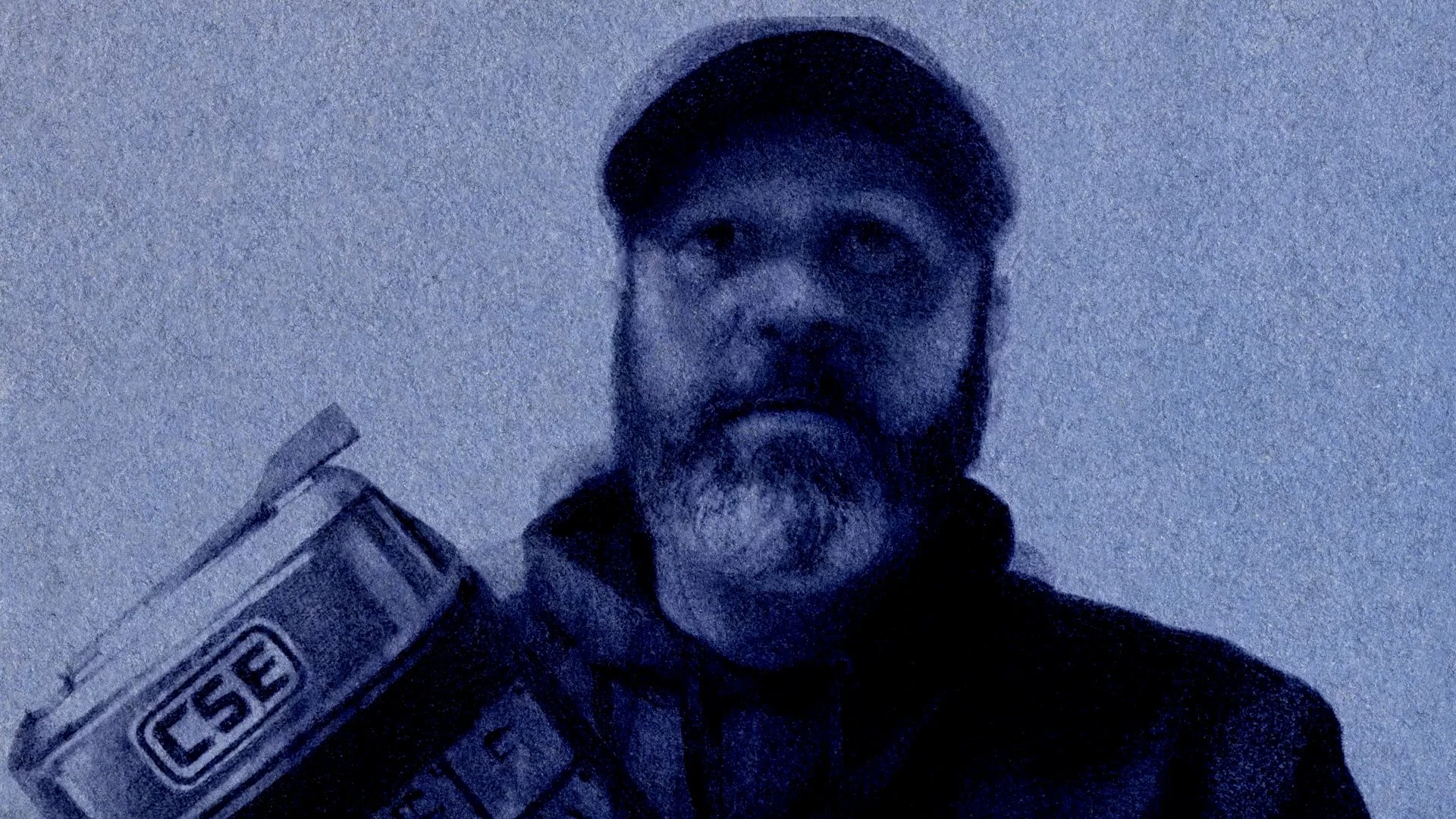
United Mine Workers of America Part I, Chuck Knisell, Keyframe Animation, 1080p, 11:47, 2026