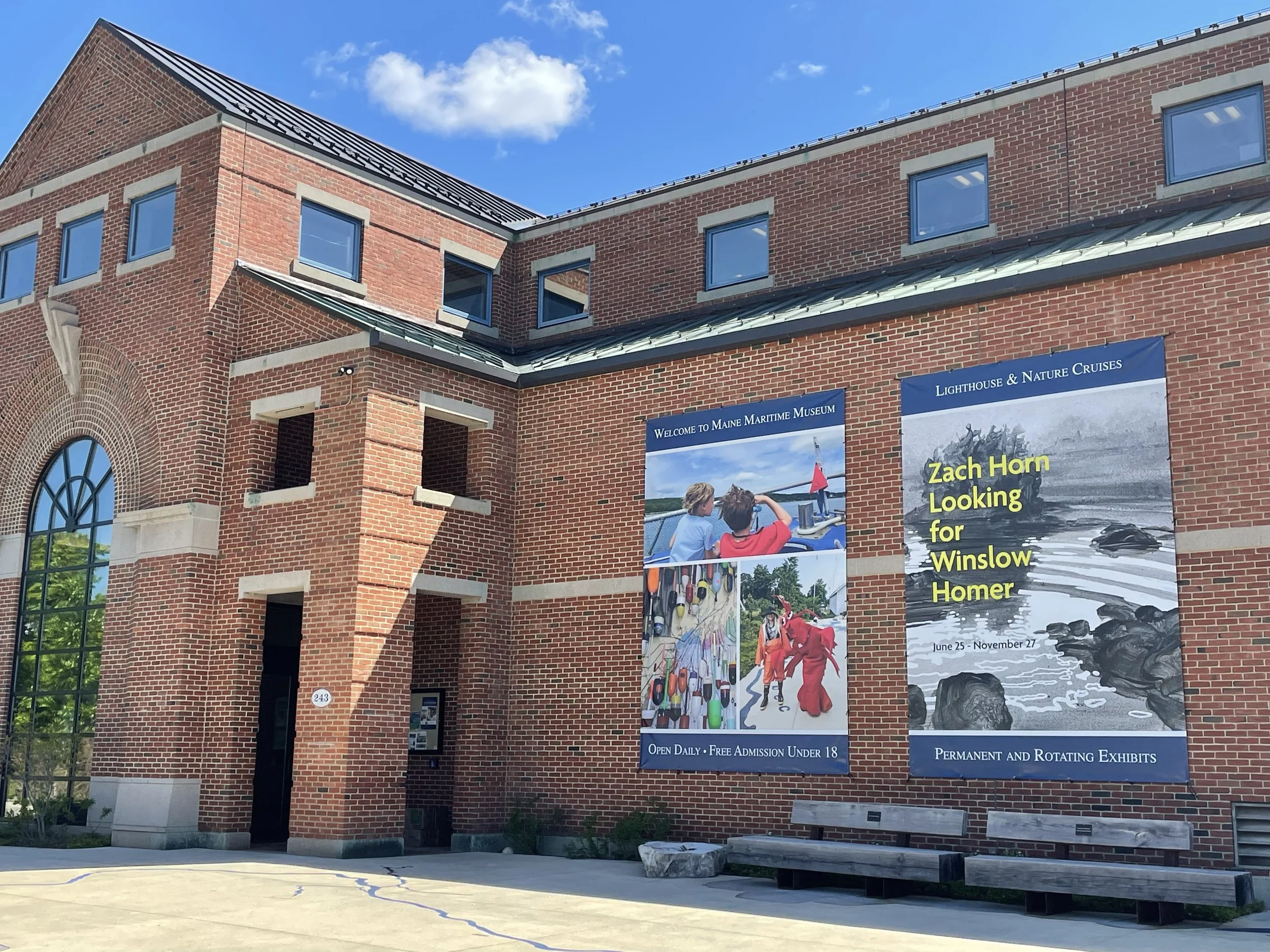
LOOKING FOR WINSLOW HOMER
Maine Maritime Museum, Bath, Me
June - November 2022
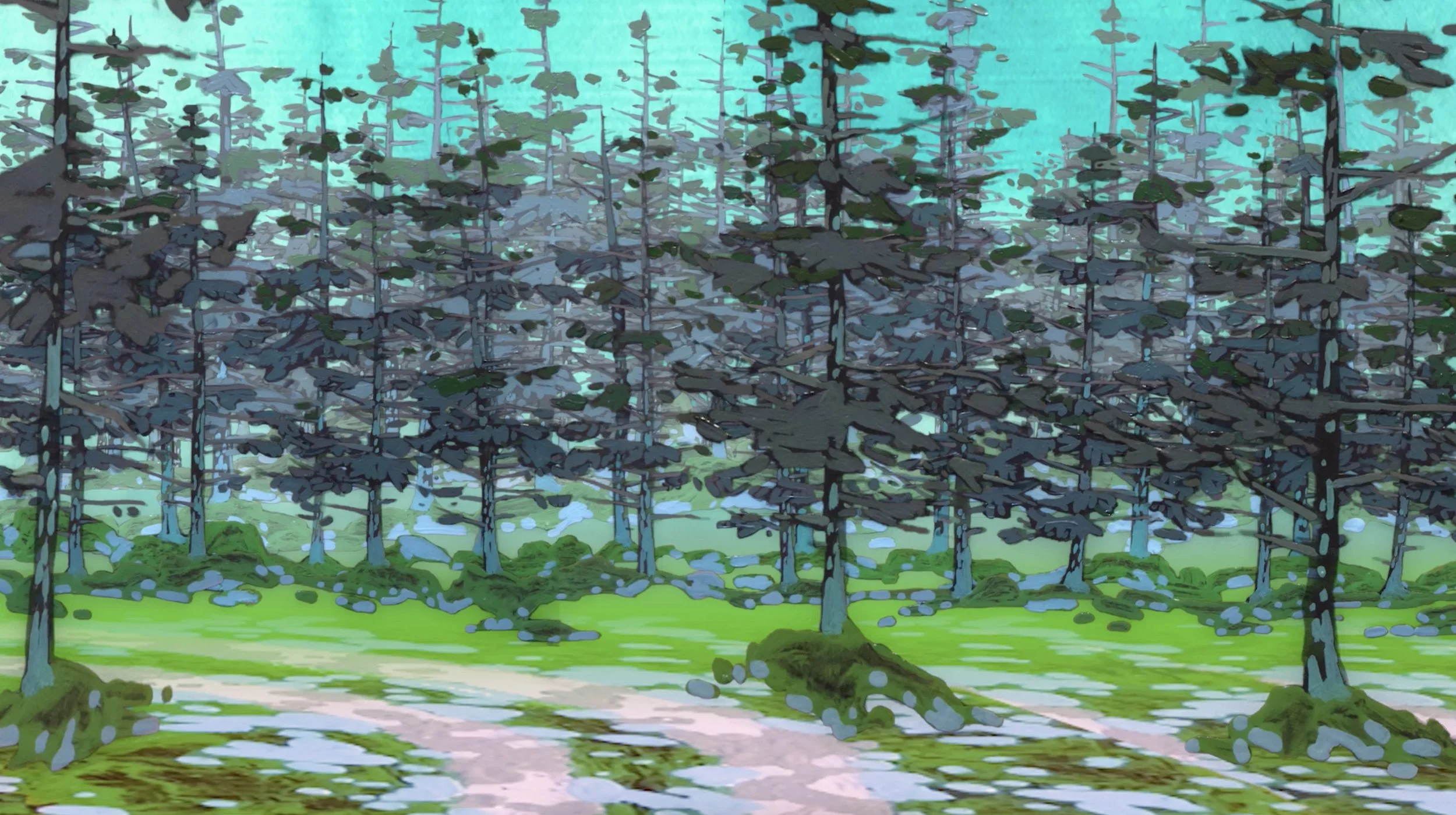
WANDER, Keyframe ANIMATION, 1080P, 7:41, 2022
LOOKING FOR WINSLOW HOMER
It is satisfying to call Winslow Homer, Homer. It adds a sense of epicness to his name. Homer’s late paintings tease adventure. These seascapes from the late 1880’s and early 1890’s, when he finally settled in Prout’s Neck, are his best work. By then, Homer focused on what he saw from the windows of his house on the cliff: water, stone, mist, sky. They are people-less. They are untamed nature. Homer was born and raised in Boston. He moved to New York, illustrated the civil war as a correspondent for Harper’s Weekly, traveled to France, left the city to live in Cullercoats on the English shore, and finally returned to Prout’s Neck to live on an outstretched fist of rock. If he is Thoreau, Prout’s Neck is his Walden.
Last summer, I went searching for Winslow Homer. I drove north from Boston and followed the purple line off the highway, til the roads narrowed. I had expected the world to turn flinty, but it just grew wealthier. Prout’s Neck is just past the regatta, keep going when you see the tennis courts, stay straight at the inn, avoid the left turn on the private gated road, drive a little beyond the yacht club until you get to a big sign that says “No Parking.” This is as close as you can get to Homer’s house by car. To actually set eyes on his studio, turn around, drive one mile down the road and make a left, drive another 1/2 mile to reach the public beach, pay your $20 parking fee, then start hiking back to the cliff walk. This part is worth it. If you turn your back on the Nancy Meyers-esque mansions, it really does look like a Winslow Homer painting.
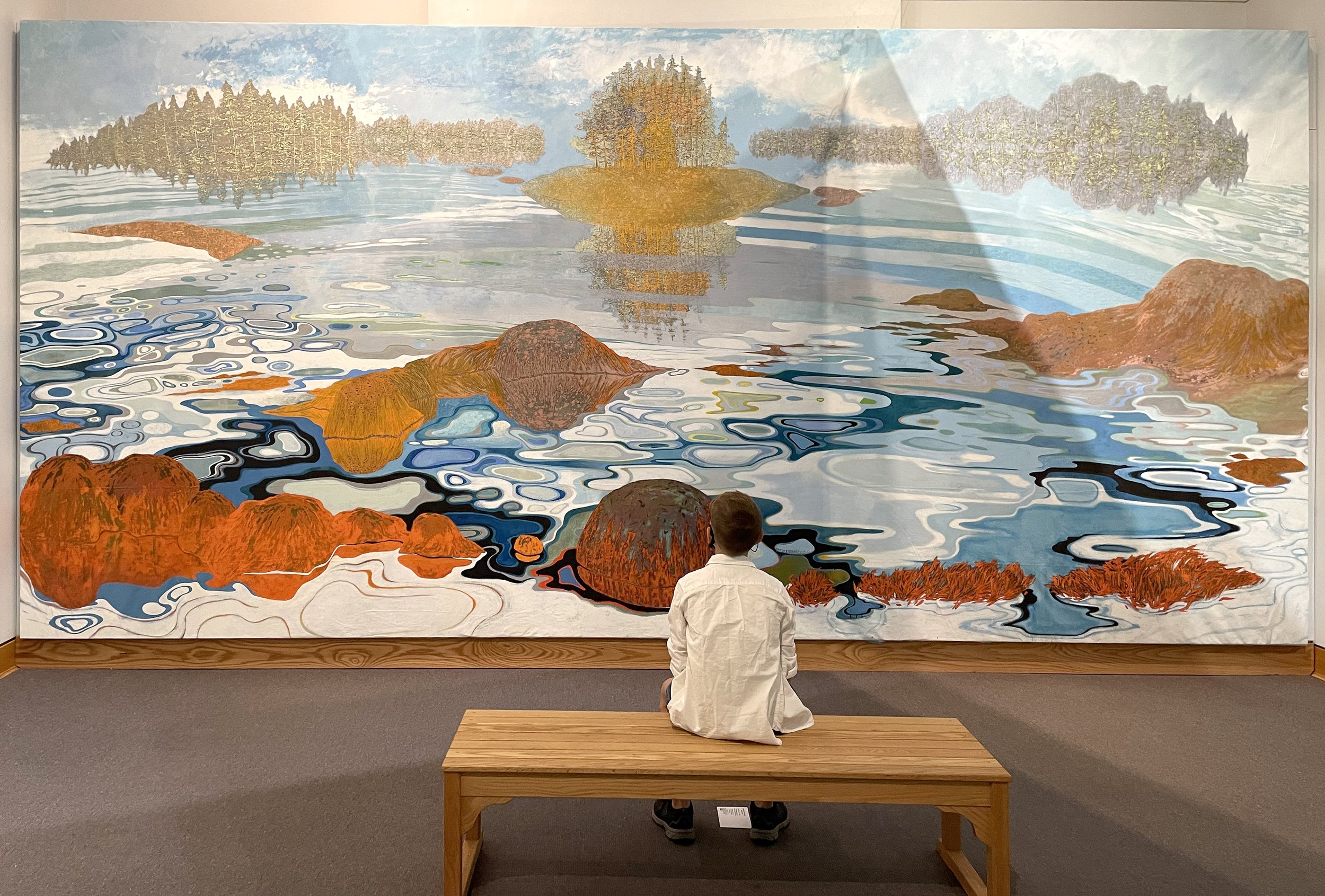
You can’t take a picture from Prout’s neck that matches a Winslow Homer canvas. His paintings portray a series of events: the waves crest, they smash, the surf slides across the rocks, the mist rises and dissipates, the pools foam. Homer paints this sequential progression of the wave into a single image, which makes the water feel like it is rolling down the painting. Simultaneity. Prout’s Neck is astoundingly beautiful, like a place to measure the sublime. But, that clarity only exists now (and truthfully only existed for Winslow Homer) by carefully cropping out the luxurious context. After all, teenagers gliding through town in their Mercedes feel just a little out of place in the corner of a Winslow Homer seascape.
Looking for Winslow Homer is quixotic. There is no real spot that you can stand on that is as austerely elemental as a Winslow Homer painting. You can try Pemaquid Point, two hours north. There, the waves crash with an inhuman intensity. It’s really breathtaking, but you’ll have to make an inconvenient effort to be there alone. The truth is that the best place to find Winslow Homer is in a museum. His paintings may not offer a geographical accuracy or temporary reality, but they are still true. The ocean is mysterious. The waves pound the shore. The rocks sit in perfect stillness. We can still be astounded by his paintings. We can still be surprised by the intensity of water on stone. I am.
My understanding of the landscape is not observational, it is emotional. This show is about love. I come to Maine with people that I care about. We joke, eat, swim. We drink beer. My wife once accidentally sprayed my brother with lobster guts. Still funny. This artwork is trying to capture the essence of those experiences.
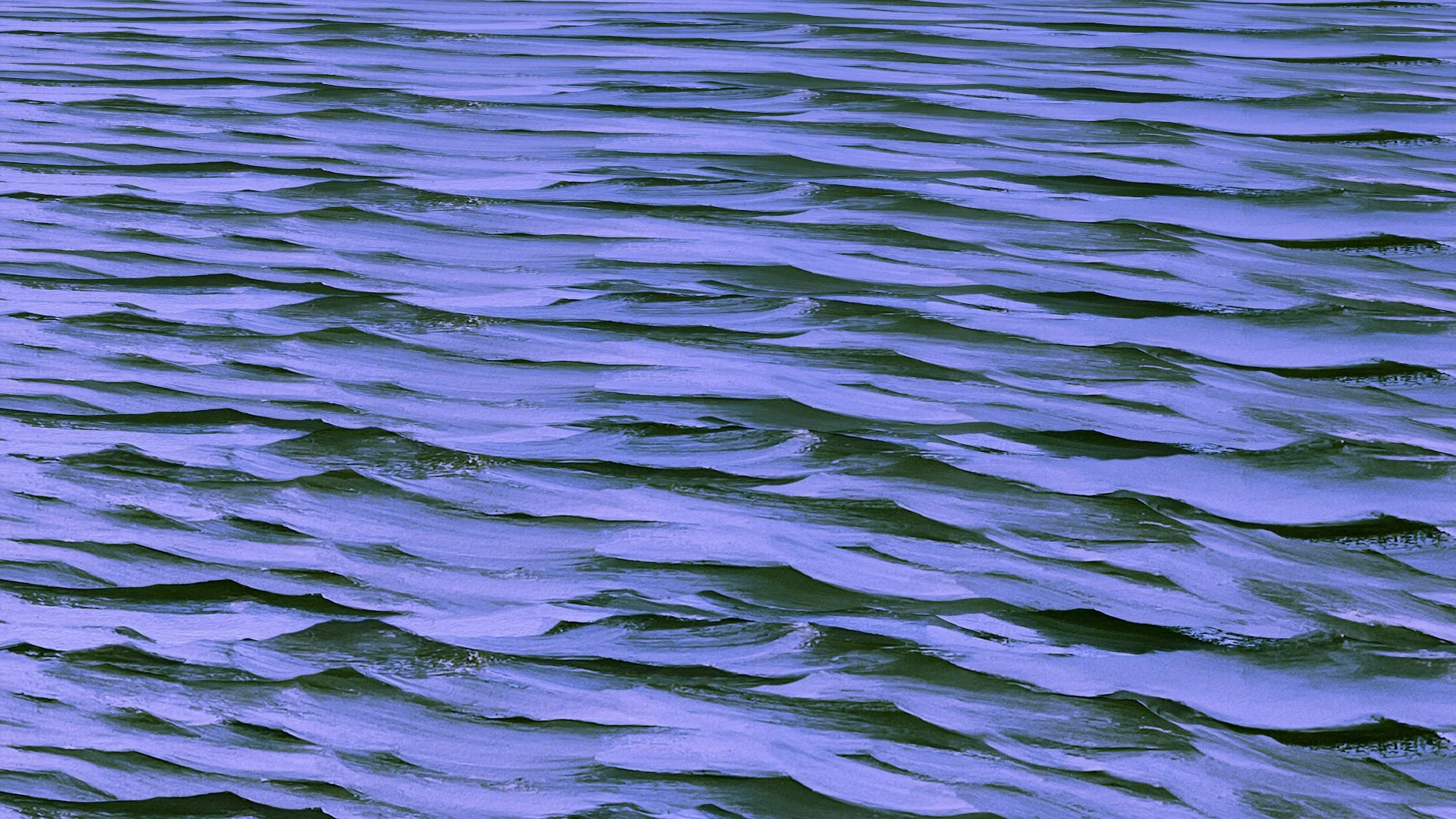
SWELL (SYMMETRICAL), STOP MOTION ANIMATION, 1080P, 7:10, 2022